
BVL BILLET KNOWLEDGE BASE
precision machining. practical insights.
Browse by topic to explore our growing library of machining knowledge, technical resources, and practical answers.
Whether you’re just getting started or planning your next project, here you’ll find practical information about BVL Billet, precision machining, custom metal parts, materials, finishes, and the manufacturing process.
-
WHAT IS BVL BILLET?
BVL Billet is a precision machining company based in Lexington, Kentucky, specializing in custom metal parts, billet accessories, prototypes, and low-volume production. Every component is machined from solid material using professional CNC equipment and backed by a commitment to craftsmanship, quality, and attention to detail.
Whether you’re an automotive enthusiast looking for a custom billet emblem, a manufacturer needing precision-machined components, or an inventor bringing a new product to life, BVL Billet delivers solutions designed for exceptional fit, finish, and performance.
WHAT DOES BVL BILLET MANUFACTURE?
BVL Billet manufactures a wide range of custom-machined products for automotive, industrial, commercial, and specialty applications. Our work includes billet emblems, custom badges, mounting brackets, prototype components, replacement parts, production components, industrial fixtures, engraved products, and one-of-a-kind custom projects.
Every part begins as solid material and is machined to meet the specific needs of the customer. Whether your project requires a single custom component or a recurring production run, we focus on producing precision-machined parts that are built to last.
WHERE IS BVL BILLET LOCATED?
BVL Billet proudly operates from Lexington, Kentucky.
Every product is designed and machined in the United States using professional CNC equipment and carefully selected materials. While our shop is located in the heart of Kentucky, we proudly serve customers throughout the country with secure nationwide shipping and responsive customer support.
DO YOU SHIP THROUGHOUT THE UNITED STATES?
Yes.
BVL Billet ships custom-machined products throughout the continental United States. Every order is carefully inspected, securely packaged, and prepared for shipment to help ensure your parts arrive in excellent condition.
Whether you’re ordering a custom billet emblem or multiple production components, we package every order with the same level of care that goes into manufacturing it.
DO YOU OFFER INTERNATIONAL SHIPPING?
Yes.
Many of our products can be shipped internationally. Shipping options, delivery times, customs requirements, and associated costs vary depending on the destination country.
If you’re located outside the United States, contact us with your shipping information and project details. We’ll review available shipping options and provide an estimate before your order is finalized.
WHAT TYPES OF CUSTOMERS DO YOU WORK WITH?
Our customers represent a broad range of industries, professions, and interests.
We regularly work with:
Automotive enthusiasts
Restoration specialists
Motorsports teams
Manufacturers
Product designers
Engineers
Fabrication shops
Small businesses
Industrial companies
Individual customers
Every project is approached with the same commitment to quality, whether we’re producing a single prototype or a repeat production order.
DO I NEED TO OWN A BUSINESS TO PLACE AN ORDER?
Not at all.
Many of our customers are individual enthusiasts looking for a custom component or replacement part. Others represent established companies that require precision-machined products for manufacturing, product development, or commercial applications.
Whether you’re ordering one custom part or coordinating an ongoing production schedule, we’re happy to discuss your project.
WHAT INDUSTRIES DOES BVL BILLET SERVE?
BVL Billet supports customers across a wide variety of industries, including automotive, motorsports, manufacturing, industrial equipment, product development, agriculture, consumer products, restoration, and custom fabrication.
While many customers discover us through our billet automotive products, our machining capabilities extend far beyond the automotive industry. If your project requires precision machining, we’d be happy to review your requirements.
WHAT MAKES BVL BILLET DIFFERENT?
At BVL Billet, quality begins long before the machine starts cutting material.
Every project starts with careful planning, thoughtful design review, and selecting the right material for the application. From there, each component is programmed, machined, inspected, and finished with attention to the smallest details.
We believe precision isn’t just measured by dimensions. It’s reflected in communication, craftsmanship, consistency, and our commitment to delivering products we’re proud to put our name on.
WHY CHOOSE BVL BILLET?
Choosing the right machine shop is about more than equipment. It’s about confidence.
At BVL Billet, we focus on producing parts that meet your expectations the first time. We communicate throughout the process, manufacture with precision, inspect every project, and stand behind the quality of our workmanship.
Whether you’re building a custom vehicle, developing a new product, or replacing a discontinued component, our goal is to make the manufacturing process straightforward, transparent, and dependable.
ARE YOUR PARTS MADE IN THE USA?
Yes.
Every BVL Billet product is proudly designed and machined in Lexington, Kentucky.
Manufacturing our products domestically allows us to maintain strict quality standards, respond quickly to customer needs, and support American manufacturing. It also gives us complete control over the machining process from start to finish.
DO YOU OUTSOURCE MACHINING?
Whenever practical, machining is performed in-house using our own professional CNC equipment. Maintaining control of the manufacturing process helps ensure consistent quality, repeatability, and attention to detail.
Certain finishing services, such as anodizing or powder coating, may be completed by trusted specialty partners who meet the same quality standards we expect for every product carrying the BVL Billet name.
WHAT IS BVL BILLET’S COMMITMENT TO QUALITY?
Quality is the foundation of everything we do.
From the initial review of your project through machining, inspection, finishing, packaging, and shipping, every step is guided by a commitment to precision and craftsmanship.
We don’t believe in rushing parts out the door simply to meet a deadline. We believe in producing components that perform as intended, look exceptional, and reflect the pride we take in our work. Whether it’s a custom billet emblem, a prototype, or a production component, our goal remains the same: deliver a product we’d proudly install on our own vehicle or use in our own shop.
WHAT DOES “DETROIT GRIT. KENTUCKY FINESSE.” MEAN?
“Detroit Grit. Kentucky Finesse.” is more than a slogan. It represents the values that define how we approach every project.
Detroit Grit reflects the heritage of American manufacturing, innovation, determination, and performance engineering. It speaks to building products that are strong, functional, and made to perform.
Kentucky Finesse represents precision, craftsmanship, patience, and attention to detail. It reflects our commitment to producing parts that not only perform exceptionally but also exhibit the quality and finish our customers expect.
Together, these two ideas define the balance between hardworking manufacturing and refined craftsmanship that drives everything we produce.
WHY SHOULD I TRUST BVL BILLET WITH MY PROJECT?
Trust is earned through consistency, communication, and results.
Every project receives careful planning, attention to detail, and a commitment to producing parts that meet the customer’s expectations. We understand that whether you’re replacing a single component or developing a new product, you’re trusting us with your time, money, and vision.
Our goal is to build lasting relationships by delivering precision-machined products, maintaining open communication throughout the process, and standing behind the quality of our work.
DO YOU WORK WITH INDIVIDUAL CUSTOMERS?
Absolutely.
Many of our customers are automotive enthusiasts, hobbyists, collectors, and individuals looking for a custom solution that simply isn’t available off the shelf.
Whether you need a single replacement part, a personalized billet accessory, or help bringing an idea to life, we’re happy to discuss your project. No manufacturing experience is required. We’ll help guide you through the process from concept to finished product.
DO YOU WORK WITH BUSINESSES AND MANUFACTURERS?
Yes.
BVL Billet partners with businesses of all sizes, from small fabrication shops to established manufacturers. We produce precision-machined components for product development, production support, replacement parts, fixtures, tooling, and specialty applications.
We understand the importance of consistency, repeatability, and dependable delivery, and we strive to become a trusted manufacturing partner for every business we serve.
DO YOU WORK WITH INVENTORS AND PRODUCT DEVELOPERS?
Yes.
Developing a new product often requires more than simply machining a part. It requires collaboration, flexibility, and attention to detail throughout the development process.
We enjoy working with inventors, engineers, and product designers to manufacture prototypes and functional components that can be evaluated, refined, and improved before moving into production. Whether you have complete CAD files or are still refining your design, we’ll review your project and discuss the best path forward.
DO YOU WORK WITH STARTUP COMPANIES?
Absolutely.
Many successful products begin with a small production run. Startups often need a manufacturing partner who can produce high-quality components without requiring large production quantities.
BVL Billet works with entrepreneurs and startup companies to manufacture prototypes, pilot runs, and low-volume production parts while providing the flexibility needed as products continue to evolve.
CAN ESTABLISHED MANUFACTURERS WORK WITH BVL BILLET?
Yes.
We regularly support established manufacturers by producing specialty components, replacement parts, overflow production, fixtures, tooling, and custom-machined solutions.
Whether you need assistance with a single project or an ongoing manufacturing relationship, we’re committed to delivering consistent quality and dependable service.
WHAT TYPES OF PROJECTS DOES BVL BILLET TAKE ON?
Our machining capabilities support a wide variety of projects across numerous industries.
Common projects include custom automotive components, billet emblems, industrial parts, replacement components, production tooling, fixtures, brackets, engraved products, prototype development, and specialty applications.
If your project requires precision machining from solid material, we’d be happy to review it and determine whether it’s a good fit for our capabilities.
DO YOU HANDLE ONE-OFF CUSTOM PROJECTS?
Yes.
Not every project requires hundreds of parts. Many customers simply need one component that’s unavailable, discontinued, or designed specifically for their application.
We enjoy producing one-of-a-kind projects and understand that these custom parts often require additional planning and programming to ensure the finished product meets your expectations.
DO YOU ALSO OFFER LOW-VOLUME PRODUCTION?
Yes.
Low-volume manufacturing is one of our core capabilities.
Whether you need ten parts, fifty parts, or several hundred components, we can often provide an efficient manufacturing solution without requiring the large production quantities associated with mass manufacturing.
Low-volume production is ideal for product launches, specialty products, limited editions, replacement components, and ongoing manufacturing needs where flexibility is important.
WHAT IS YOUR APPROACH TO CUSTOMER SERVICE?
We believe great customer service begins with clear communication.
From your initial inquiry through final delivery, we strive to answer questions promptly, provide realistic expectations, and keep customers informed throughout the manufacturing process.
Every project is unique, and we take the time to understand your goals before recommending the best solution. Our objective is to make the experience straightforward, transparent, and professional from beginning to end.
WHAT CAN I EXPECT WHEN WORKING WITH BVL BILLET?
You can expect a collaborative manufacturing experience built on communication, precision, and attention to detail.
We’ll review your project requirements, discuss materials and manufacturing options, provide a detailed quotation when appropriate, and keep you informed throughout production. Every part is carefully machined and inspected before it leaves our shop.
Whether you’re ordering a single custom component or coordinating a repeat production run, our goal is to deliver products that meet your specifications and exceed your expectations. We believe the best partnerships are built on honesty, reliability, and consistently producing quality work.
-
WHAT MATERIALS DOES BVL BILLET MACHINE?
BVL Billet machines a wide variety of metals and engineering plastics to meet the needs of automotive, industrial, commercial, and custom manufacturing projects. Material selection plays a critical role in the strength, durability, weight, corrosion resistance, and appearance of the finished product.
Common materials we machine include aluminum, stainless steel, carbon steel, brass, bronze, titanium, and select engineering plastics. The best material for your project depends on how the part will be used, the environment it will operate in, and your performance requirements. If you’re unsure which material is right for your application, we’re happy to help you choose the best option.
WHY IS MATERIAL SELECTION IMPORTANT?
Choosing the right material is one of the most important decisions in any machining project. Different materials offer unique advantages in strength, weight, corrosion resistance, machinability, and cost.
For example, an automotive bracket may benefit from lightweight aluminum, while an industrial wear component may require hardened steel or bronze for increased durability. Selecting the proper material from the beginning helps ensure the finished part performs as intended and provides long-term reliability.
We consider each project’s requirements before recommending a material to help achieve the best balance of performance, appearance, and value.
DO YOU MACHINE ALUMINUM?
Yes.
Aluminum is one of the most commonly machined materials at BVL Billet because it offers an excellent combination of strength, light weight, corrosion resistance, and machinability. It produces outstanding surface finishes and is well suited for precision CNC machining.
Aluminum is commonly used for automotive accessories, billet emblems, brackets, prototype components, mounting plates, housings, fixtures, and countless custom applications. Depending on the project, we may recommend different aluminum alloys based on strength, finish requirements, and intended use.
WHAT TYPES OF ALUMINUM DO YOU MACHINE?
We regularly machine several aluminum alloys, including 6061 and 7075, which are among the most widely used materials in precision manufacturing.
Each alloy offers unique characteristics. Some prioritize corrosion resistance and ease of machining, while others provide significantly greater strength for demanding applications. Selecting the proper alloy depends on your project’s structural requirements, appearance, and operating environment.
If you’re uncertain which alloy is best, we’ll recommend the material that best fits your application.
WHAT IS 6061 ALUMINUM?
6061 aluminum is one of the most versatile and widely used aluminum alloys in manufacturing. It offers an excellent balance of strength, corrosion resistance, machinability, and affordability, making it suitable for a broad range of applications.
Its ability to machine cleanly and produce attractive surface finishes makes it a popular choice for billet accessories, brackets, housings, fixtures, prototype parts, and decorative components. It also accepts anodizing well, making it ideal for projects requiring both durability and appearance.
WHAT IS 7075 ALUMINUM?
7075 aluminum is a high-strength alloy commonly used when maximum strength and rigidity are required. It is significantly stronger than 6061 while remaining much lighter than steel, making it a popular material for demanding mechanical and performance applications.
Because of its excellent strength-to-weight ratio, 7075 is frequently used in motorsports, aerospace, high-performance automotive components, and structural applications where minimizing weight without sacrificing strength is important.
WHAT IS THE DIFFERENCE BETWEEN 6061 AND 7075 ALUMINUM?
While both materials are excellent choices, they serve different purposes.
6061 aluminum is known for its versatility, corrosion resistance, and ease of machining. It performs well for most general-purpose applications and offers excellent value.
7075 aluminum prioritizes strength. It is considerably stronger than 6061 but generally costs more and may not offer the same level of corrosion resistance without protective finishing.
The right choice depends on your application’s strength requirements, operating environment, and budget.
DO YOU MACHINE STAINLESS STEEL?
Yes.
Stainless steel is an excellent material for projects requiring exceptional corrosion resistance, durability, and long-term performance. Although it is more challenging to machine than aluminum, it produces extremely durable components capable of withstanding harsh environments.
Stainless steel is commonly used for marine applications, industrial equipment, food processing, medical equipment, hardware, and decorative components where corrosion resistance is critical.
WHAT TYPES OF STAINLESS STEEL DO YOU MACHINE?
The specific stainless alloy selected depends on the application, but common grades include materials such as 303, 304, and 316 stainless steel.
Each offers different advantages in machinability, corrosion resistance, and strength. For example, 303 machines exceptionally well, while 316 provides outstanding corrosion resistance in marine and chemical environments.
We’ll recommend the most appropriate stainless alloy based on your project’s performance requirements.
DO YOU MACHINE CARBON STEEL?
Yes.
Carbon steel is frequently chosen for components requiring excellent strength, wear resistance, and durability. It is commonly used in machinery, tooling, industrial equipment, structural components, and custom fabrication.
Depending on the application, carbon steel may also receive additional finishing processes such as coating, plating, or painting to improve corrosion resistance and extend service life.
DO YOU MACHINE TITANIUM?
Yes.
Titanium offers one of the highest strength-to-weight ratios available in engineering materials. It combines exceptional strength with outstanding corrosion resistance while remaining significantly lighter than steel.
Because titanium requires specialized machining techniques and tooling, it is generally reserved for applications where its unique properties justify the additional manufacturing cost. It is commonly used in aerospace, motorsports, medical devices, marine applications, and high-performance engineering projects.
DO YOU MACHINE BRASS?
Yes.
Brass is valued for its excellent machinability, attractive appearance, and natural corrosion resistance. It machines exceptionally cleanly and produces fine surface finishes, making it a popular choice for decorative components, engraved products, fittings, hardware, electrical components, and specialty parts.
Its distinctive gold appearance also makes brass an excellent choice when aesthetics are just as important as functionality.
DO YOU MACHINE BRONZE?
Yes.
Bronze is an outstanding material for components that experience sliding contact, friction, or repeated wear. It offers excellent durability, corrosion resistance, and bearing properties, making it ideal for bushings, bearings, wear plates, marine hardware, and industrial equipment.
Certain bronze alloys are specifically designed to operate with minimal lubrication, helping reduce wear while extending component life. For projects requiring dependable performance in demanding environments, bronze remains one of the most trusted engineering materials available.
DO YOU MACHINE ENGINEERING PLASTICS?
Yes.
In addition to metals, BVL Billet machines a variety of engineering plastics for applications where reduced weight, electrical insulation, chemical resistance, or low friction are important. These materials are commonly used in industrial equipment, automation systems, fixtures, jigs, wear components, and prototype development.
Engineering plastics can often provide excellent performance while reducing manufacturing costs and overall component weight. The appropriate material depends on the operating environment, mechanical loads, temperature, and intended application.
WHAT ENGINEERING PLASTICS DO YOU MACHINE?
Depending on the project, we machine several engineering-grade plastics, including materials such as Delrin® (Acetal), UHMW, Nylon, HDPE, PVC, and select specialty polymers.
Each material offers unique advantages. Some excel in wear resistance and dimensional stability, while others provide excellent chemical resistance or low-friction performance. We’ll help determine which material best meets the needs of your project.
WHICH MATERIAL IS BEST FOR MY PROJECT?
There is no single “best” material for every application.
The ideal material depends on several factors, including strength requirements, weight, corrosion resistance, operating temperature, appearance, machinability, budget, and the environment in which the part will be used.
During the quoting process, we’ll review your application and recommend materials that provide the best balance of performance, durability, and value.
CAN YOU HELP ME CHOOSE THE RIGHT MATERIAL?
Absolutely.
Many customers know what they need the finished part to accomplish but aren’t sure which material will perform best. That’s where our experience can help.
By understanding your application’s requirements, we can recommend materials based on strength, wear resistance, corrosion resistance, weight, appearance, machinability, and cost to help ensure long-term performance.
WHAT IS THE MOST POPULAR MATERIAL YOU MACHINE?
Aluminum, particularly 6061 aluminum, is the material we machine most frequently.
Its excellent machinability, corrosion resistance, strength-to-weight ratio, and ability to accept a wide variety of finishes make it an outstanding choice for countless applications. From custom billet emblems and automotive accessories to fixtures, brackets, and prototype components, aluminum remains one of the most versatile engineering materials available.
CAN DIFFERENT MATERIALS BE USED IN THE SAME ASSEMBLY?
Yes.
Many assemblies benefit from combining multiple materials to maximize performance. For example, aluminum may be used to reduce weight, while stainless steel provides corrosion-resistant fasteners and bronze serves as a durable bearing surface.
Selecting complementary materials can improve strength, wear resistance, corrosion protection, and overall product performance while keeping manufacturing costs under control.
HOW DOES MATERIAL CHOICE AFFECT MACHINING COST?
Material selection can significantly influence the overall cost of a project.
Raw material prices vary considerably, and some materials require slower machining speeds, specialized cutting tools, additional finishing operations, or more frequent tool changes. Materials like aluminum are generally faster to machine than titanium or stainless steel, which often require more machining time and specialized tooling.
Choosing the right material balances performance requirements with manufacturing efficiency and budget.
DO DIFFERENT MATERIALS REQUIRE DIFFERENT MACHINING TECHNIQUES?
Yes.
Every material behaves differently during machining. Aluminum allows for higher cutting speeds and excellent chip evacuation, while stainless steel generates more heat and requires different tooling strategies. Titanium demands careful control of cutting parameters, and engineering plastics often require techniques that minimize heat buildup and maintain dimensional stability.
Using machining strategies tailored to each material helps produce better surface finishes, tighter tolerances, and longer tool life.
CAN YOUR PARTS BE ANODIZED OR POWDER COATED?
Yes.
Many aluminum components can be anodized to improve corrosion resistance, increase surface hardness, and provide a durable decorative finish. Powder coating is another popular finishing option that offers excellent protection while allowing for a wide range of colors and textures.
The best finishing method depends on the material, intended use, and desired appearance. We’ll help determine which option best suits your project.
DO DIFFERENT MATERIALS PRODUCE DIFFERENT SURFACE FINISHES?
Yes.
Each material responds differently during machining and finishing. Aluminum often produces exceptionally smooth surface finishes, while brass can achieve a bright, polished appearance. Stainless steel and titanium may exhibit different machining characteristics, and engineering plastics can vary depending on their composition.
Additional finishing processes such as polishing, bead blasting, anodizing, or coating can further enhance the appearance and performance of many materials.
DO YOU ACCEPT CUSTOMER-SUPPLIED MATERIAL?
In many cases, yes.
If you have material that meets your project’s specifications, we may be able to machine it. Before proceeding, we’ll review the material’s condition, dimensions, and suitability for the intended application.
Using customer-supplied material may affect quoting, scheduling, and quality considerations, so we encourage discussing this option before beginning production.
ARE ALL MATERIALS KEPT IN STOCK?
Not necessarily.
We maintain access to many commonly used materials, but availability depends on current inventory and supplier lead times. Specialty alloys, oversized stock, uncommon plastics, or customer-specified materials may require special ordering before production begins.
If your project requires a specific material or certification, we’ll confirm availability during the quoting process and provide realistic lead time estimates.
CAN YOU MACHINE OTHER MATERIALS NOT LISTED HERE?
Possibly.
The materials listed in our Knowledge Base represent those most commonly requested by our customers, but they are not the only materials we can machine. New projects often require specialty alloys, unique engineering plastics, or customer-specified materials.
If your project calls for a material not listed on our website, contact us with your specifications. We’ll review the application and determine whether it’s compatible with our machining capabilities and recommend the best path forward.
-
DO I NEED A CAD FILE TO GET A QUOTE?
No.
While a CAD file is the best starting point for an accurate quote, it isn’t always required. We can often evaluate a project using detailed drawings, sketches, photographs, measurements, or even an existing sample part.
Providing as much information as possible helps us better understand your project and recommend the most efficient manufacturing approach. If additional information is needed, we’ll work with you to gather the details before production begins.
WHAT CAD FILE FORMATS DO YOU ACCEPT?
We accept many of the industry’s most common CAD file formats, including STEP (.stp/.step), IGES (.igs/.iges), Parasolid (.x_t), SolidWorks®, Fusion®, and several other neutral file formats.
Whenever possible, we recommend submitting a STEP file because it preserves solid geometry while remaining compatible with most modern CAD and CAM software.
If you’re unsure whether your file is compatible, simply send it to us and we’ll review it.
CAN YOU WORK FROM A PDF DRAWING?
Yes.
Many projects can be quoted and manufactured directly from a properly detailed PDF drawing. A drawing should include all critical dimensions, tolerances, hole sizes, thread specifications, material requirements, and any finishing instructions.
For more complex components, a 3D CAD model may be requested to eliminate ambiguity and improve manufacturing accuracy.
CAN YOU WORK FROM A HAND-DRAWN SKETCH?
Yes.
Not every project starts with professional engineering drawings. Many successful projects begin with nothing more than a sketch and an idea.
A hand-drawn sketch with basic dimensions, notes, and photographs often provides enough information to begin discussing your project. If additional details are required, we’ll work with you to refine the design before machining begins.
CAN YOU MACHINE A PART FROM A SAMPLE?
Often, yes.
If an original part is available, it can frequently be used as a reference for manufacturing a replacement or custom component. Existing parts help us understand dimensions, mounting features, and overall design intent.
Depending on the complexity of the part, additional measurements, CAD modeling, or reverse engineering may be required before production.
DO YOU OFFER REVERSE ENGINEERING SERVICES?
Yes.
Reverse engineering is often used when original drawings or CAD files no longer exist. By carefully measuring an existing component, we can recreate its geometry for manufacturing.
This process is particularly useful for discontinued parts, obsolete components, custom modifications, restoration projects, and specialty applications where replacement parts are unavailable.
CAN YOU HELP IMPROVE MY DESIGN?
Absolutely.
Manufacturing isn’t just about making parts. It’s also about making them efficiently and reliably.
During the design review process, we may recommend modifications that simplify machining, improve strength, reduce production time, lower manufacturing costs, or enhance the overall performance of the finished component. Our goal is to preserve your design intent while optimizing it for CNC manufacturing.
WHAT IS DESIGN FOR MANUFACTURABILITY (DFM)?
Design for Manufacturability, often referred to as DFM, is the process of designing a part so it can be manufactured more efficiently without sacrificing functionality.
Small design changes, such as adjusting corner radii, simplifying geometry, or modifying hole locations, can often reduce machining time, improve consistency, and lower production costs. Reviewing a design before manufacturing begins helps identify opportunities for improvement while avoiding unnecessary complexity.
CAN YOU MANUFACTURE PROTOTYPES?
Yes.
Prototype machining is one of our core capabilities. Whether you’re developing a new product, testing a concept, or validating a design before production, prototypes provide valuable insight before investing in larger manufacturing runs.
Prototype parts are machined using the same precision equipment and quality standards as production components, allowing you to evaluate fit, function, and performance under real-world conditions.
WHAT IS THE DIFFERENCE BETWEEN A PROTOTYPE AND A PRODUCTION PART?
A prototype is an early version of a product used to test design, fit, function, and performance. It allows changes to be made before committing to larger production quantities.
A production part is manufactured after the design has been finalized and approved. Production components emphasize repeatability, consistency, and efficient manufacturing while maintaining the required quality standards.
Many successful products go through several prototype revisions before entering full production.
CAN YOU HELP PREPARE A DESIGN FOR CNC MACHINING?
Yes.
Designing a part and manufacturing it are two different challenges. Some designs may require minor modifications to improve machinability without changing the part’s intended function.
We review designs for features such as tool accessibility, internal radii, hole placement, material thickness, and machining efficiency to help ensure the finished component can be manufactured accurately and economically.
WHAT INFORMATION SHOULD I INCLUDE WHEN REQUESTING A QUOTE?
Providing complete information helps us prepare the most accurate quotation possible.
Helpful information includes:
CAD files or engineering drawings
Material requirements
Quantity needed
Surface finish requirements
Thread specifications
Critical tolerances
Desired lead time
Any special instructions or application details
The more information provided upfront, the faster and more accurately we can evaluate your project.
WHAT HAPPENS AFTER I SUBMIT MY DESIGN?
Once your project is received, we review the design for manufacturability, material selection, machining complexity, tolerances, and any special requirements.
If questions arise during the review, we’ll contact you to discuss possible solutions before production begins. Once everything has been finalized, we’ll prepare a quotation, establish a production schedule, and begin machining upon approval.
This collaborative review process helps minimize surprises, improve efficiency, and ensure the finished product meets your expectations.
WHAT TOLERANCES CAN BVL BILLET HOLD?
BVL Billet manufactures components in accordance with the tolerances specified by the customer on the engineering drawings or CAD model. We carefully review each project to verify that the requested tolerances are appropriate for the material, part geometry, and intended application before production begins.
If tolerances are not specified, standard shop tolerances may be applied unless a feature requires additional clarification. Should any dimensions appear impractical or unnecessarily restrictive, we’ll discuss them with you prior to machining to ensure the most efficient and cost-effective manufacturing process.
By adhering to clearly defined engineering specifications, we help ensure every finished component meets the functional, dimensional, and quality requirements of your project.
WHY ARE TOLERANCES IMPORTANT?
Tolerances define the acceptable amount of variation from a part’s specified dimensions. They help ensure components fit together correctly, operate reliably, and perform as intended.
Critical features such as bearing bores, threaded holes, sealing surfaces, and mating components often require tighter tolerances than cosmetic or non-functional features. Applying the proper tolerances improves manufacturability while helping control production costs.
CAN YOU MACHINE COMPLEX GEOMETRIES?
Yes.
Modern CNC machining allows us to manufacture components with complex profiles, pockets, contours, and precision features that would be difficult or impossible using conventional machining methods.
Every design is evaluated to determine the most efficient machining strategy while maintaining the required accuracy, surface finish, and structural integrity.
CAN YOU MACHINE PARTS WITH THREADS?
Absolutely.
We machine both internal and external threads using the process best suited for the material and application. Depending on the project, threads may be produced using thread milling, tapping, single-point threading, or other machining methods.
If your project requires specific thread standards or custom thread dimensions, include those specifications with your drawing or quote request.
CAN YOU ENGRAVE LOGOS, TEXT, OR SERIAL NUMBERS?
Yes.
CNC engraving provides a clean, permanent method for adding logos, company names, serial numbers, part numbers, dates, or other identifying information directly into a machined component.
Engraving can improve product identification, branding, traceability, and aesthetics while eliminating the need for separate labels or decals.
CAN YOU MACHINE CUSTOM SHAPES?
Yes.
One of the greatest advantages of CNC machining is the ability to produce highly customized components. Unlike standard off-the-shelf parts, custom-machined components can be manufactured to match your exact dimensions, geometry, and functional requirements.
Whether your project involves intricate contours, unique mounting features, or specialized mechanical designs, we can evaluate the best approach for manufacturing your part.
DO YOU REVIEW EVERY DESIGN BEFORE MACHINING?
Yes.
Every project undergoes a design review before production begins. This allows us to identify potential manufacturing challenges, verify material selection, confirm machining feasibility, and clarify any missing information before cutting material.
Taking time to review a design upfront helps reduce delays, minimize unexpected costs, and improve the overall quality of the finished component.
CAN MY DESIGN BE MODIFIED AFTER I APPROVE IT?
In many cases, yes.
If production has not yet begun, design revisions can often be accommodated. Once machining is underway, however, changes may require additional programming, setup time, or remanufacturing of components.
To avoid unnecessary delays or additional costs, we recommend carefully reviewing drawings and specifications before providing final approval.
WHAT IF I DON’T KNOW THE EXACT DIMENSIONS?
That’s perfectly okay.
Many projects begin with an idea rather than a finished engineering drawing. If you’re replacing an existing component, modifying a current design, or developing a new product, we can often help determine the dimensions needed to move the project forward.
Providing photographs, rough measurements, sketches, or sample parts gives us a good starting point for evaluating your project.
CAN YOU MATCH AN EXISTING PART?
Often, yes.
If you have an original component that needs to be duplicated or improved, we can evaluate it as the basis for manufacturing a replacement. Existing parts are especially helpful for discontinued products, restoration projects, and custom modifications.
Depending on the complexity of the component, reverse engineering or CAD modeling may be required before machining begins.
DO YOU KEEP CUSTOMER DESIGNS CONFIDENTIAL?
Yes.
We understand that many customer designs represent valuable intellectual property. Project information, drawings, CAD files, and manufacturing details are treated professionally and used only for purposes related to your project.
If your project requires additional confidentiality protections, we’re happy to discuss those requirements before work begins.
CAN YOU HELP REDUCE PRODUCTION COSTS?
Yes.
One of the benefits of reviewing a design before manufacturing is identifying opportunities to improve efficiency. Small adjustments to geometry, tolerances, machining strategy, or material selection can often reduce production time without affecting the function of the finished part.
Our goal is to manufacture components as efficiently as possible while maintaining the quality and performance your project requires.
WHAT IF I’M NOT SURE MY PROJECT CAN BE MACHINED?
We encourage you to ask.
Every project is different, and many customers aren’t certain whether CNC machining is the right manufacturing process for their idea. That’s exactly why we’re here.
Send us your drawings, sketches, photos, CAD files, or even a simple description of your project. We’ll review the information, discuss your goals, and let you know whether CNC machining is the best solution. If it is, we’ll guide you through the next steps and help turn your concept into a finished product.
-
WHAT IS CNC MACHINING?
CNC (Computer Numerical Control) machining is a manufacturing process that uses computer-controlled machine tools to produce highly accurate and repeatable parts from solid material. By following programmed toolpaths, CNC machines can create complex geometries with exceptional precision that would be difficult or impossible to achieve consistently through manual machining.
CNC machining is widely used across industries including automotive, aerospace, medical, industrial manufacturing, and product development because it delivers outstanding accuracy, repeatability, and surface finish.
WHAT IS PRECISION MACHINING?
Precision machining is the process of manufacturing components to exact specifications using advanced CNC equipment and carefully controlled machining practices. It emphasizes dimensional accuracy, repeatability, and high-quality surface finishes to produce parts that fit and function as intended.
Whether producing a single prototype or a production run, precision machining ensures consistent results while meeting the engineering requirements of the finished component.
WHAT IS THE DIFFERENCE BETWEEN CNC MACHINING AND MANUAL MACHINING?
Manual machining relies on an operator to control the machine by hand, making it well suited for simple repairs, modifications, or one-off operations. CNC machining, on the other hand, uses computer-generated programs to control every movement of the cutting tools with exceptional precision.
Because the machining process is automated, CNC machining provides greater accuracy, improved repeatability, more consistent quality, and the ability to manufacture complex parts efficiently. It is the preferred method for producing precision components that require tight dimensional control and repeatable results.
WHAT IS BILLET MACHINING?
Billet machining is the process of manufacturing a component from a solid block of material, commonly referred to as billet stock. Material is removed using precision cutting tools until the final shape is achieved.
Unlike cast or molded components, billet-machined parts are produced from solid material, allowing for excellent dimensional accuracy, structural integrity, and superior surface finishes. This process is commonly used for high-performance automotive components, custom accessories, industrial parts, and precision-engineered products.
WHAT IS THE DIFFERENCE BETWEEN BILLET AND CAST PARTS?
Billet parts are machined from solid material, while cast parts are created by pouring molten metal into a mold.
Because billet components begin as solid stock, they generally offer greater dimensional consistency, improved surface finish, and more precise machining capabilities. Cast parts are often more economical for very high production volumes but typically require additional finishing operations and may not provide the same level of precision as billet-machined components.
The best manufacturing method depends on the application’s performance requirements, production volume, and budget.
WHAT IS THE DIFFERENCE BETWEEN CNC MILLING AND CNC TURNING?
CNC milling removes material using rotating cutting tools while the workpiece remains stationary or moves along multiple axes. It is commonly used to manufacture flat surfaces, pockets, contours, holes, and complex three-dimensional features.
CNC turning rotates the workpiece while stationary cutting tools remove material. It is best suited for cylindrical components such as shafts, bushings, spacers, and threaded parts.
Selecting the appropriate process depends entirely on the geometry of the finished component.
WHAT TYPES OF PARTS ARE BEST SUITED FOR CNC MACHINING?
CNC machining is ideal for components that require precision, repeatability, durability, and high-quality surface finishes.
Common applications include automotive components, billet emblems, brackets, mounting plates, housings, fixtures, tooling, replacement parts, industrial equipment, prototypes, and low-volume production parts. If a component can be manufactured from solid material with precision, CNC machining is often an excellent solution.
HOW ACCURATE IS CNC MACHINING?
Modern CNC machining is capable of producing extremely accurate components when proper equipment, tooling, programming, and inspection practices are used.
Actual accuracy depends on factors such as material, part geometry, feature size, and the tolerances specified on the engineering drawings. Every project is evaluated individually to ensure the finished component meets the dimensional requirements established by the customer.
WHY IS CNC MACHINING SO ACCURATE?
CNC machining achieves its accuracy through computer-controlled motion, rigid machine construction, precision cutting tools, and carefully developed machining programs.
Unlike manual machining, where accuracy depends heavily on operator input, CNC machines repeatedly follow the same programmed toolpaths with remarkable consistency. This repeatability allows complex parts to be manufactured with dependable precision from the first component to the last.
WHAT ARE THE BENEFITS OF CNC MACHINING?
CNC machining offers numerous advantages over traditional manufacturing methods, including:
Exceptional dimensional accuracy
Excellent repeatability
Consistent product quality
Complex geometry capabilities
Superior surface finishes
Efficient production
Excellent material utilization
Reduced human error
Flexible production quantities
These advantages make CNC machining one of the most versatile and reliable manufacturing processes available today.
CAN CNC MACHINING PRODUCE COMPLEX PARTS?
Yes.
One of the greatest strengths of CNC machining is its ability to manufacture highly complex components with precision and repeatability. Advanced machining strategies allow intricate pockets, contours, curved surfaces, engraved features, and detailed geometries to be produced directly from solid material.
Many parts that would be difficult or impossible to manufacture using conventional machining methods can be produced efficiently with modern CNC equipment.
WHY ARE BILLET PARTS SO POPULAR?
Billet components have earned a reputation for quality because they’re manufactured from solid material using precision machining rather than being formed in a mold. This allows for exceptional dimensional accuracy, outstanding surface finishes, and the flexibility to create unique custom designs.
Billet parts are especially popular in the automotive and performance industries because they combine durability, precision, and a premium appearance. Whether functional or decorative, billet components often become the preferred choice when quality and craftsmanship are priorities.
WHY DO ENTHUSIASTS PREFER BILLET COMPONENTS?
For many enthusiasts, billet components represent more than just an upgrade. They reflect an appreciation for precision engineering, quality materials, and superior craftsmanship.
Unlike many mass-produced components, billet parts are carefully machined from solid stock and often feature cleaner lines, tighter tolerances, and more refined finishes. The result is a product that not only performs well but also enhances the overall appearance and character of the vehicle or project.
Whether the goal is improved performance, durability, or aesthetics, billet components continue to be a popular choice among enthusiasts who value quality-built products.
WHAT TYPES OF CNC MACHINES DOES BVL BILLET USE?
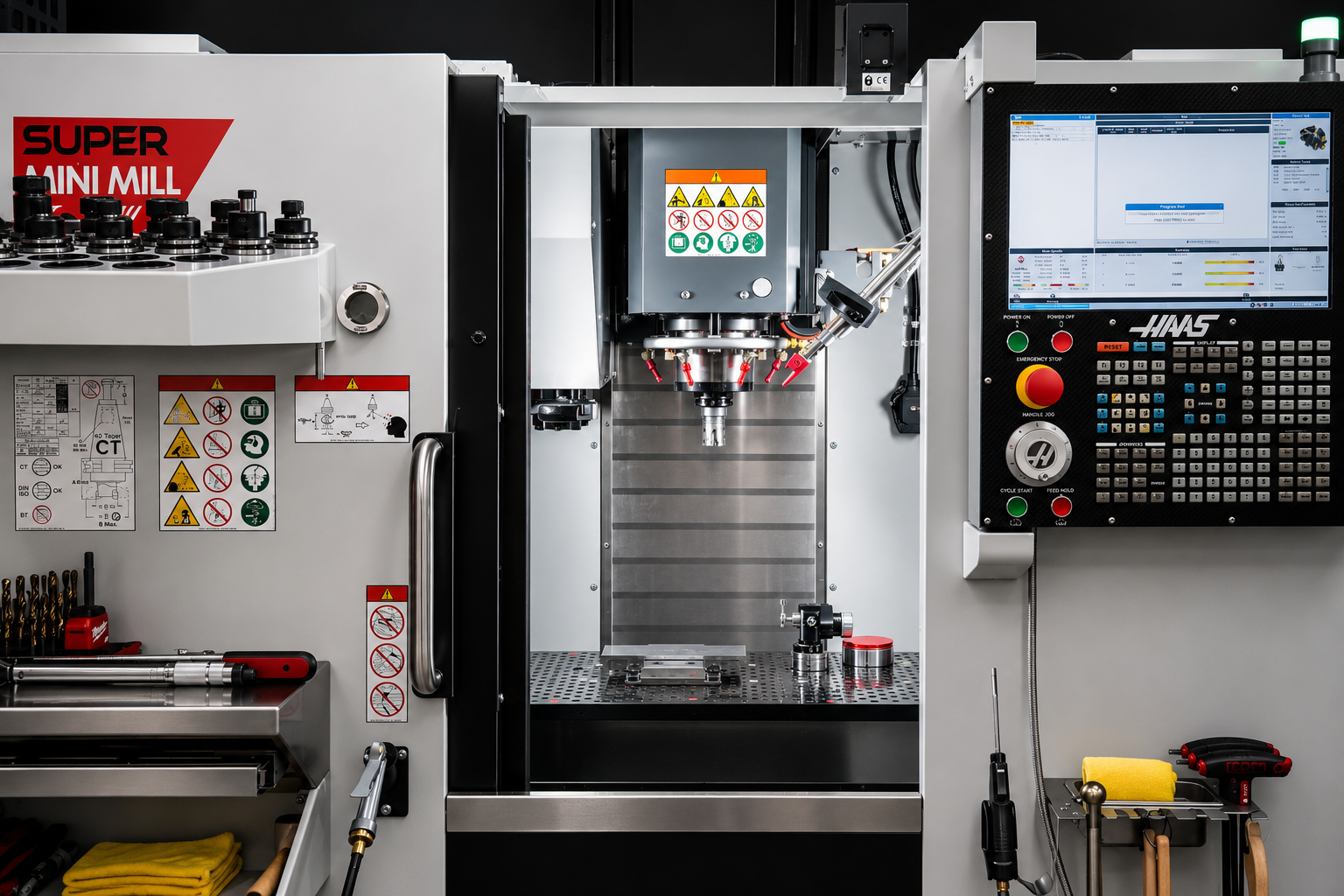
BVL Billet utilizes professional CNC milling equipment designed to manufacture precision components with exceptional accuracy and repeatability. Our equipment allows us to produce everything from one-off custom parts to low-volume production runs while maintaining consistent quality throughout the manufacturing process.
Every project is programmed specifically for the part being produced, ensuring efficient machining, excellent surface finishes, and reliable dimensional accuracy.
HOW DOES CNC MACHINING ENSURE CONSISTENT QUALITY?
Consistency is one of the greatest advantages of CNC machining. Once a machining program has been verified, the machine follows the same programmed toolpaths for every part produced.
Combined with proper tooling, machine calibration, quality inspections, and careful process control, CNC machining produces components that remain consistent from the first part to the last, making it ideal for prototypes as well as repeat production.
WHAT IS A SURFACE FINISH?
Surface finish refers to the texture and appearance of a machined surface after manufacturing. It can influence a component’s appearance, wear characteristics, sealing performance, and overall functionality.
Depending on the application, parts may be left with their natural machined finish or prepared for additional processes such as bead blasting, polishing, anodizing, powder coating, or engraving.
WHAT FACTORS AFFECT SURFACE FINISH?
Several factors influence the final appearance of a machined component, including the material being machined, cutting tools, machining parameters, toolpath strategy, machine rigidity, and finishing operations.
Proper tooling and machining techniques help produce clean, consistent surfaces while minimizing tool marks and improving the overall appearance of the finished part.
WHY DOES SURFACE FINISH MATTER?
Surface finish affects more than appearance. It can influence how a part fits with mating components, how seals perform, how easily surfaces wear, and how well coatings adhere.
For decorative components such as billet emblems and custom accessories, a high-quality surface finish also enhances the overall appearance and reflects the level of craftsmanship invested in the product.
WHAT INSPECTION METHODS ARE USED TO VERIFY QUALITY?
Quality begins during machining and continues through final inspection. Components are measured using precision inspection equipment to verify that critical dimensions meet the engineering requirements specified on the drawing.
Inspection methods vary depending on the complexity of the project, but every part is reviewed to help ensure it meets the customer’s specifications before shipment.
ARE PARTS INSPECTED BEFORE SHIPPING?
Yes.
Every completed project undergoes a final inspection before packaging and shipment. We verify critical dimensions, examine the overall quality of the machining, and confirm that the finished product meets the approved specifications.
This final review helps ensure customers receive parts that are ready for installation, assembly, or production upon arrival.
CAN YOU PRODUCE MATCHING REPLACEMENT PARTS?
Yes.
CNC machining is well suited for manufacturing replacement components when original parts are damaged, worn, discontinued, or no longer available.
Using drawings, CAD models, measurements, or existing sample parts, we can often reproduce components while maintaining the fit, function, and appearance of the original design.
CAN YOU REPRODUCE DISCONTINUED COMPONENTS?
In many cases, yes.
Older vehicles, industrial equipment, and specialty machinery often contain components that are no longer available from the original manufacturer. When sufficient information is available, these parts can often be recreated through precision machining and reverse engineering.
We’ll evaluate the existing component or available documentation to determine the most practical manufacturing approach.
IS CNC MACHINING SUITABLE FOR PROTOTYPES AND PRODUCTION?
Absolutely.
One of CNC machining’s greatest strengths is its versatility. The same equipment used to manufacture a single prototype can also produce consistent low-volume production runs with excellent repeatability.
This allows products to move smoothly from concept and testing into production without changing manufacturing methods or compromising quality.
HOW LONG DOES CNC MACHINING TAKE?
Production time depends on several factors, including part complexity, material selection, quantity, machining operations, finishing requirements, and current production scheduling.
Simple components may be completed relatively quickly, while highly complex parts requiring multiple setups or specialty finishing may require additional time. During the quoting process, we’ll provide an estimated lead time based on your project’s specific requirements.
CAN CNC MACHINING CREATE CUSTOM ONE-OF-A-KIND PARTS?
Yes.
Custom machining is one of our specialties. Whether you’re replacing a discontinued component, creating a unique automotive accessory, developing a prototype, or building a completely original design, CNC machining provides the flexibility to manufacture one-of-a-kind components with exceptional precision.
Every custom project is programmed specifically for that part, allowing virtually unlimited design possibilities while maintaining the accuracy and quality expected from professional CNC manufacturing.
WHY CHOOSE CNC MACHINING OVER OTHER MANUFACTURING METHODS?
CNC machining offers an exceptional balance of precision, flexibility, and quality. Unlike processes that require expensive molds or tooling, CNC machining allows parts to be produced directly from solid material with minimal setup for custom or low-volume work.
It is an ideal solution for prototypes, replacement components, specialty products, and precision-engineered parts where dimensional accuracy, repeatability, and craftsmanship are priorities. By combining advanced manufacturing technology with careful programming and inspection, CNC machining consistently delivers components built to perform and built to last.
-
HOW DO I REQUEST A QUOTE?
Requesting a quote is simple. Submit your CAD files, engineering drawings, sketches, or as much information as you have about your project through our website or by contacting us directly.
Helpful information includes the material, quantity, desired finish, critical dimensions, and any special requirements. The more detail you provide, the more accurately we can evaluate your project and prepare a quotation.
WHAT INFORMATION SHOULD I INCLUDE WITH MY QUOTE REQUEST?
Providing complete project information helps us prepare an accurate quote and avoid unnecessary delays.
When possible, include:
CAD files or engineering drawings
Material preference
Quantity required
Surface finish requirements
Thread specifications
Critical tolerances
Intended application
Desired delivery timeframe
Any special instructions
If you don’t have all of this information, don’t worry. We’ll work with you to gather the details needed to move your project forward.
HOW LONG DOES IT TAKE TO RECEIVE A QUOTE?
Quote turnaround time depends on the complexity of the project and the information provided.
Simple projects with complete drawings can often be evaluated quickly, while more complex assemblies or projects requiring engineering review may take additional time. Our goal is to provide accurate quotations as efficiently as possible while ensuring every detail has been properly reviewed.
HOW IS PRICING DETERMINED?
Every custom-machined project is unique, so pricing is based on several factors, including material selection, machining time, part complexity, quantity, tooling requirements, finishing operations, and inspection requirements.
Our quotations are prepared to reflect the true manufacturing requirements of your project, ensuring you receive a component built to the specifications you’ve requested.
IS THERE A MINIMUM ORDER QUANTITY?
No.
We regularly manufacture one-of-a-kind custom parts as well as low-volume production runs. Whether you need a single prototype or recurring production quantities, we’ll evaluate your project and recommend the most efficient manufacturing approach.
CAN I ORDER JUST ONE PART?
Absolutely.
Many of our customers only require a single replacement component, custom accessory, or prototype. CNC machining is well suited for one-off projects where quality and precision are more important than mass production.
We’re happy to discuss projects of virtually any size.
DO YOU OFFER LOW-VOLUME PRODUCTION?
Yes.
Low-volume production is one of our core services. We regularly manufacture small production runs for startups, manufacturers, product developers, and specialty markets where flexibility and consistent quality are essential.
Low-volume production provides an excellent balance between custom manufacturing and full-scale mass production.
CAN YOU HANDLE REPEAT PRODUCTION ORDERS?
Yes.
Once a design has been finalized, CNC machining provides outstanding repeatability. We can manufacture additional production runs using the approved machining program, helping maintain consistency between orders while reducing future setup time.
HOW LONG WILL MY ORDER TAKE?
Production lead times vary depending on project complexity, material availability, order quantity, finishing requirements, and our current production schedule.
Once your project has been reviewed, we’ll provide an estimated production timeline and keep you informed of any significant changes throughout the manufacturing process.
CAN RUSH ORDERS BE ACCOMMODATED?
In some cases, yes.
If your project has a critical deadline, let us know when requesting your quote. We’ll review our production schedule and determine whether expedited manufacturing is possible.
Rush orders may require schedule adjustments or additional costs depending on the project’s complexity and current workload.
WHAT HAPPENS AFTER I APPROVE MY QUOTE?
Once your quotation has been approved, your project moves into production planning. Materials are ordered if necessary, machining programs are finalized, tooling is prepared, and production is scheduled.
Throughout the manufacturing process, we remain focused on producing components that meet your specifications while maintaining the quality standards expected from BVL Billet.
WILL I RECEIVE UPDATES DURING MY PROJECT?
Yes.
We believe clear communication is an important part of every successful project. If questions arise during production or if schedule changes occur, we’ll keep you informed throughout the manufacturing process.
Our goal is to provide a professional, transparent experience from quote approval through final delivery.
CAN I MAKE CHANGES AFTER PLACING MY ORDER?
It depends on the stage of production.
Changes requested before machining begins can often be accommodated with minimal impact. Once materials have been ordered or machining has started, revisions may require additional programming, setup, or remanufacturing, which can affect pricing and lead times.
If you need to make a change, contact us as soon as possible so we can review the available options.
WHAT PAYMENT METHODS DO YOU ACCEPT?
BVL Billet accepts a variety of secure payment methods to make the ordering process as convenient as possible. Accepted payment options are displayed in our footer, during checkout, or provided with your invoice for custom projects.
For larger or specialty manufacturing projects, payment terms may be discussed before production begins. If you have questions regarding payment options or invoicing, we’re happy to assist.
WHEN IS PAYMENT REQUIRED?
Payment requirements vary depending on the nature of the project.
Standard products are generally paid for at the time of purchase through our online store. Custom machining projects may require payment or a deposit before materials are ordered and production begins. Any applicable payment terms will be clearly outlined in your quotation before work starts.
CAN I CANCEL MY ORDER?
Orders may be canceled before production begins. Once materials have been purchased, machining has started, or custom work has been performed, cancellation may not be possible or may be subject to charges for work already completed.
If you need to cancel an order, please contact us as soon as possible so we can review its current production status.
WHAT IF THERE IS A PROBLEM WITH MY ORDER?
Customer satisfaction is important to us. If you receive an order that has been damaged during shipping or does not match the approved specifications, please contact us promptly.
We’ll review the situation, determine the cause of the issue, and work with you to identify an appropriate solution based on the circumstances of the project.
DO YOU OFFER RETURNS ON CUSTOM-MACHINED PARTS?
Because custom-machined components are manufactured specifically to each customer’s requirements, they generally cannot be returned for a refund unless a manufacturing error has occurred.
If you believe there is an issue with your order, please contact us so we can review the project and determine the appropriate resolution.
HOW ARE PARTS PACKAGED FOR SHIPMENT?
Every order is carefully packaged to help protect machined surfaces during transit. Packaging methods vary depending on the size, weight, quantity, and finish of the components being shipped.
Our goal is to ensure your order arrives in the same condition it left our shop, ready for installation, assembly, or production.
HOW ARE SHIPPING COSTS CALCULATED?
Shipping costs are based on factors such as package size, weight, destination, carrier rates, and the shipping service selected.
Applicable shipping charges are calculated during checkout for standard products or included in the quotation for custom machining projects whenever possible.
WILL I RECEIVE TRACKING INFORMATION?
Yes.
Once your order has shipped, tracking information is provided whenever available so you can monitor your shipment’s progress and estimated delivery date.
HOW ARE LEAD TIMES DETERMINED?
Lead times are influenced by several factors, including material availability, part complexity, production scheduling, finishing requirements, order quantity, and current shop workload.
Because every custom project is different, estimated lead times are provided during the quotation process and updated if necessary throughout production.
WHAT HAPPENS IF MATERIALS ARE BACKORDERED?
Occasionally, specialty materials or uncommon stock sizes may experience supplier delays that are outside our control.
If a material becomes unavailable or significantly delayed, we’ll communicate the situation promptly, discuss available alternatives when appropriate, and provide an updated production timeline.
CAN YOU STORE MY MACHINING PROGRAM FOR FUTURE ORDERS?
Yes.
For repeat production work, machining programs and manufacturing information may be retained to help streamline future orders. Maintaining these records improves consistency, reduces programming time, and simplifies the reorder process for previously manufactured components.
HOW DO I REORDER A PART YOU’VE MADE BEFORE?
If we’ve previously manufactured your part, simply contact us with your original order information, part number, drawing revision, or any identifying details you have available.
We’ll review our records, confirm that no design changes are required, and provide an updated quotation based on your current quantity and production requirements.
WHAT HAPPENS AFTER MY ORDER IS COMPLETE?
Once production is complete, your components undergo final inspection before being carefully packaged for shipment or pickup. After your order has shipped, you’ll receive any applicable shipping information so you can track its progress.
If you need additional quantities in the future or have questions after receiving your order, we’re always happy to assist. Building long-term relationships with our customers is just as important to us as producing quality machined parts.
-
WHAT TYPES OF PRODUCTS DOES BVL BILLET MANUFACTURE?
BVL Billet manufactures a wide variety of precision-machined products for automotive, industrial, commercial, and custom applications. Every component is produced using professional CNC machining techniques and carefully selected materials to meet the specific requirements of each project.
Our capabilities include billet emblems, custom badges, mounting brackets, prototype components, replacement parts, industrial fixtures, engraved products, and low-volume production parts. If your project requires a custom-machined solution, we’d be happy to discuss how we can help.
DO YOU MANUFACTURE CUSTOM AUTOMOTIVE EMBLEMS?
Yes.
Custom billet emblems are one of our signature product categories. Each emblem is machined from solid material to provide exceptional durability, precision, and appearance compared to many factory plastic emblems.
Whether you’re looking to personalize a vehicle, restore a discontinued design, or create something entirely unique, our custom emblems are manufactured with the same attention to detail we apply to every project.
WHAT ARE BILLET EMBLEMS?
Billet emblems are custom vehicle badges machined from solid metal rather than molded from plastic or cast from molten material. The machining process produces crisp details, clean edges, and excellent dimensional consistency while allowing for a wide variety of custom designs.
Because they’re manufactured from solid stock, billet emblems offer outstanding durability and a premium appearance that enthusiasts appreciate.
WHAT VEHICLES CAN YOU MAKE EMBLEMS FOR?
We manufacture custom emblems for a wide variety of vehicles, including domestic and import platforms.
Whether you’re building a late-model performance vehicle, restoring a classic, customizing a truck or SUV, or creating a completely unique design, we’ll evaluate your project and determine the best manufacturing approach.
If you have a specific application in mind, contact us to discuss your design.
CAN YOU CREATE COMPLETELY CUSTOM EMBLEMS?
Absolutely.
Many of our customers aren’t looking to duplicate an existing emblem. They want something that reflects their own style, business, vehicle, or brand.
Whether you have finished artwork or only an idea, we can review your concept and discuss the best way to transform it into a precision-machined billet emblem.
DO YOU MANUFACTURE REPLACEMENT EMBLEMS?
Yes.
Replacement emblems are often needed when original components become damaged, faded, discontinued, or no longer available from the manufacturer.
Custom-machined billet replacements provide a durable alternative while maintaining the appearance and fit expected for your application.
CAN YOU RECREATE DISCONTINUED EMBLEMS?
In many cases, yes.
If an original emblem is no longer available, we can often reproduce it using an existing sample, measurements, photographs, or engineering data.
Depending on the complexity of the design, reverse engineering and CAD modeling may be required before manufacturing begins.
DO YOU MANUFACTURE CUSTOM BRACKETS?
Yes.
Custom brackets are among the most common components produced through CNC machining. Whether the application is automotive, industrial, commercial, or recreational, we can manufacture brackets designed specifically for your project.
Each bracket is machined to the required dimensions, mounting locations, and material specifications to ensure proper fit and performance.
CAN YOU MANUFACTURE MOUNTING PLATES?
Absolutely.
Mounting plates are used in countless applications, from vehicle accessories and industrial equipment to automation systems and prototype development.
We manufacture custom mounting plates in a variety of materials and configurations to meet the dimensional and performance requirements of each project.
DO YOU PRODUCE INDUSTRIAL FIXTURES?
Yes.
Fixtures are essential tools used to accurately position, support, or secure components during manufacturing, assembly, inspection, or testing.
Custom fixtures help improve repeatability, increase efficiency, and maintain consistent quality throughout the manufacturing process. We work with customers to manufacture fixtures tailored to their specific production requirements.
CAN YOU MANUFACTURE PROTOTYPE PARTS?
Yes.
Prototype manufacturing allows new designs to be evaluated before moving into production. We produce prototype components for inventors, engineers, startups, manufacturers, and product developers looking to test fit, function, and performance.
Prototype machining also provides valuable feedback that can be used to refine a design before larger production quantities are manufactured.
DO YOU MANUFACTURE LOW-VOLUME PRODUCTION PARTS?
Yes.
Many products don’t require thousands of pieces to be successful. We specialize in low-volume production for customers who need consistent quality without the commitment of high-volume manufacturing.
Low-volume production is ideal for specialty products, pilot runs, aftermarket components, limited editions, replacement parts, and growing businesses.
CAN YOU MANUFACTURE ONE-OF-A-KIND CUSTOM PARTS?
Absolutely.
Some of the most rewarding projects involve producing a single custom component designed for a specific purpose. Whether you’re replacing a discontinued part, modifying a vehicle, solving a manufacturing challenge, or creating something entirely original, we’re happy to evaluate your project.
Every custom part is programmed and machined specifically for its intended application, allowing us to deliver precision-built components that simply can’t be found off the shelf.
DO YOU MANUFACTURE REPLACEMENT PARTS?
Yes.
BVL Billet manufactures replacement components for customers who need parts that are damaged, worn, discontinued, or no longer available from the original manufacturer. Using engineering drawings, CAD models, or an existing sample, we can often produce precision-machined replacements designed to restore the function and appearance of the original component.
Whether you’re maintaining industrial equipment, restoring a vehicle, or replacing a specialty part, we’ll evaluate your project and determine the most effective manufacturing solution.
CAN YOU MANUFACTURE CUSTOM COMPONENTS FOR BUSINESSES?
Absolutely.
Many businesses require custom-machined components that simply aren’t available through standard suppliers. We manufacture specialty parts for manufacturers, fabricators, product developers, and commercial customers across a variety of industries.
Whether you need production support, custom tooling, machine components, or proprietary products, we can manufacture parts built to your exact specifications.
DO YOU PRODUCE PARTS FOR PRODUCT DEVELOPERS?
Yes.
Product development often requires multiple iterations before a design is finalized. We work with inventors, engineers, and product designers to manufacture prototype and pre-production components that can be evaluated, tested, and refined.
Our goal is to help bridge the gap between an idea and a production-ready product through precision CNC machining.
CAN YOU MANUFACTURE COMPONENTS FROM MY DESIGN?
Yes.
If you have a completed CAD model, engineering drawing, or detailed sketch, we can review your design and determine the most efficient manufacturing approach.
Every project is evaluated for manufacturability before production begins to help ensure your component can be produced accurately, efficiently, and in accordance with your specifications.
CAN YOU CUSTOMIZE EXISTING PRODUCTS?
In many cases, yes.
Existing products can often be modified to better suit your application or personal preferences. Common modifications include custom engraving, dimensional changes, mounting revisions, additional machining features, or cosmetic enhancements.
If you’re looking to personalize or improve an existing design, we’d be happy to discuss the available options.
DO YOU OFFER CUSTOM ENGRAVING?
Yes.
We offer precision CNC engraving for logos, company names, serial numbers, part numbers, custom text, and decorative graphics. Because the engraving is machined directly into the material, it provides a clean, permanent finish that won’t peel, fade, or wear away like decals or labels.
Custom engraving is available on many of the products we manufacture and is an excellent way to personalize a component or strengthen your brand identity.
WHAT FINISHES ARE AVAILABLE FOR YOUR PRODUCTS?
Available finishes depend on the material and the intended application.
Many products can be supplied with a natural machined finish or prepared for additional finishing processes such as bead blasting, polishing, anodizing, powder coating, or engraving. Each finish offers its own advantages in appearance, durability, and corrosion resistance.
We’ll gladly discuss the finishing options that best suit your project.
ARE YOUR PRODUCTS MADE FROM SOLID BILLET MATERIAL?
Many of our products are.
Components described as “billet” are machined directly from solid material rather than being cast or molded. This manufacturing method provides excellent dimensional accuracy, consistent quality, and outstanding surface finishes while allowing for extensive customization.
Material selection ultimately depends on the application’s performance requirements, but billet manufacturing remains one of the defining characteristics of many BVL Billet products.
ARE YOUR PRODUCTS BUILT FOR EVERYDAY USE?
Yes.
Our products are designed to provide long-term durability in real-world environments. Material selection, machining practices, and finishing options are chosen with both performance and longevity in mind.
Whether installed on a daily-driven vehicle, incorporated into industrial equipment, or used in a specialty application, our goal is to manufacture products that continue to perform reliably for years to come.
CAN YOU MATCH MY EXISTING STYLE OR DESIGN?
Often, yes.
If you’re adding to an existing product line, restoring a vehicle, or maintaining a consistent visual appearance, we can often manufacture components that complement your existing design.
Providing photographs, drawings, sample parts, or design references helps us better understand the look and functionality you’re trying to achieve.
ARE YOUR PRODUCTS INSPECTED BEFORE THEY SHIP?
Yes.
Every completed project undergoes a final inspection before packaging and shipment. Critical features are verified against the approved design, and each component is visually inspected to ensure it meets our quality standards.
Our goal is to deliver products that arrive ready for installation or immediate use, giving customers confidence in both the craftsmanship and the finished result.
DO YOU CONTINUALLY EXPAND YOUR PRODUCT OFFERINGS?
Yes.
As customer needs evolve, so do our capabilities. We continually evaluate new product ideas, materials, manufacturing techniques, and machining technologies to expand the range of products we offer.
Whether we’re introducing a new billet accessory, supporting an emerging industry, or developing solutions for unique customer requests, our focus remains the same: delivering precision-machined products built with quality, craftsmanship, and attention to detail.
DON’T SEE THE PRODUCT YOU NEED?
That doesn’t necessarily mean we can’t make it.
Many of the components we manufacture begin as customer ideas rather than catalog items. If your project requires a custom-machined part that isn’t currently featured on our website, we’d love to hear about it.
Contact us with your drawings, CAD files, sketches, or even a simple description of your project. We’ll review your requirements, discuss the available options, and determine whether BVL Billet can help bring your idea to life.